Choosing limo software is one of the highest-impact decisions a limo business makes to streamline operations— and the mistakes operators make during this process cost them bookings, revenue, and years of operational inefficiency. The limo industry is full of platforms that look capable on a demo but fail to deliver the dispatch system, driver app, payment processing, and reservation management depth a professional limousine company needs to grow. This guide covers the seven most common mistakes limo operators make when choosing limo software — and what to look for instead.
Mistake 1: Ignoring Hidden Fees in the Pricing Structure
The first mistake is evaluating limo software on the advertised rate without investigating what is and is not included. Some platforms charge per vehicle, others per user, and others add fees for the driver app, payment processing, or online booking tools that should be in the base platform. These hidden fees compound over time — and a platform that appears affordable at a small fleet becomes significantly more expensive as the business grows.
The best limo software covers booking software, limousine dispatch, driver app, payment processing, reservation management, and reporting in one flat pricing model with no hidden fees. Before committing, request a full breakdown of every fee and what triggers additional charges. Automated invoicing and payment processing should increase financial efficiency — not add a separate line item to the monthly bill.
Mistake 2: Choosing Dispatch Software That Does Not Integrate with Booking
A dispatch system that does not integrate with limo booking software creates a gap between where bookings enter the business and where they get assigned to drivers. This gap produces manual steps that create errors, delay response time, and cause the missed bookings that erode cash flow. Limo dispatch software manages ride requests and driver assignments in one platform — and that integration is non-negotiable.
Real time vehicle tracking improves dispatch efficiency significantly, and key features of limo software include automated dispatching and GPS tracking connected directly to the reservation system. Dispatch systems should allow for drag-and-drop trip assignment, and every booking made through the website, passenger app, or admin dashboard should appear immediately in the dispatch queue without manual transfer. A connected system reduces missed calls and increases repeat business — and the connection starts with booking and dispatch sharing the same data in real time.
Mistake 3: Underestimating How Much the Driver App Matters
Many limo operators evaluate the admin-side experience and treat the driver app as an afterthought. The driver app is the primary tool through which every chauffeur receives trip details, communicates with dispatch, tracks the passenger for pick-up, and confirms arrival and drop. Integrated mobile apps for drivers enhance communication and dispatch efficiency — and a driver app that is unreliable or missing key features creates service failures the admin platform cannot fix.
The driver app should deliver push notifications for new assignments and trip changes, provide turn-by-turn navigation, allow drivers to update trip status in real time so the passenger receives automated updates, and connect directly to the dispatch system without separate login steps. Mobile apps allow booking and tracking rides easily, and mobile accessibility enhances communication between drivers and passengers throughout every trip. Test the driver app on the actual devices your drivers use — not just on the demo phone provided during a sales call.

Mistake 4: Choosing a Platform with a Poor Mobile Experience
The best limo software today is cloud-based and fully functional on any device — phone, tablet, or desktop. A platform that requires desktop access for core functions limits the limo business owner’s ability to manage operations on the go. Cloud-based limousine software centralises operations and improves efficiency, and cloud access allows remote operation and enhances data security across the entire platform.
The mobile experience matters for clients too. Online booking systems must provide instant quotes and booking confirmations, and clients who can book rides, track trip progress, and receive automated updates through a mobile device are more likely to book again. Operators report 2–3x more online bookings using optimised tools, and a poor mobile experience on the client-facing side directly limits the online bookings the limo business captures.
Mistake 5: Not Evaluating Payment Processing and Financial Reporting
Payment processing is often the last feature limo operators evaluate — and skipping it creates problems that surface after the platform is live. Platforms need to securely store customer payment methods and process transactions — accepting credit cards, debit cards, and digital wallets — without separate payment integrations. Automated pricing lets customers book rides without manual input, and dynamic pricing configurations reduce quoting errors for different service types.
Reporting and analytics track revenue and performance metrics — covering revenue by service type, driver earnings, fleet utilisation, and cash flow forecasting. A built-in CRM helps manage customer relationships and track booking history, feeding directly into the reporting system when everything is on one platform. Automated invoicing speeds up billing by 45%, and that efficiency gain compounds across every trip the limo company completes.
Mistake 6: Failing to Plan for Growth and Scalability
Limo operators often choose software that fits the current fleet size without considering how it will perform when the fleet doubles and corporate account volume expands. Cloud-based limousine software supports scalable operations — adding vehicles, drivers, and service areas without structural changes to the platform or additional per-vehicle fees that erode the money saved by growing the business.
Live flight tracking integration adjusts pickup times for flight delays — a feature that becomes essential as airport transfer volume increases. Evaluate the best limo software not for the business you have today but for the business you are building toward, and ensure the platform can support the fleet size, account complexity, and service area you plan to reach.
Mistake 7: Evaluating the Software, Not the Long Term Partner
The final mistake is treating limo software selection as a feature comparison rather than a partner selection decision. The platform that runs your limousine company should evolve with the market, respond to operator feedback, release new features regularly, and provide a support team that helps when problems arise. The best limousine software improves continuously — a vendor that stops developing the platform becomes a liability as market trends shift.
A long term partner in limo software invests in the platform’s future. Marketing tools, advanced features, reservation management improvements, and performance tracking tools should all improve over time. Look for evidence of active development, responsive customer communication, and a track record serving limo companies at your target scale — not just a good demo and a low initial rate that hides the real relationship.
Why Choose Limo Captain as Your Limo Software?
Limo Captain avoids every one of these mistakes by design — delivering limo booking software, limousine dispatch software, driver payroll automation, enterprise customer billing, passenger app, GPS fleet tracking, and marketing tools in one platform with no hidden fees.
• Flat pricing covering all advanced features — no per-vehicle, per-user, or per-feature hidden fees
• Fully integrated dispatch system and booking software sharing real time data in one platform
• Driver app with push notifications, GPS tracking, and real time trip status updates
• Full mobile experience for operators, drivers, and passengers from any device
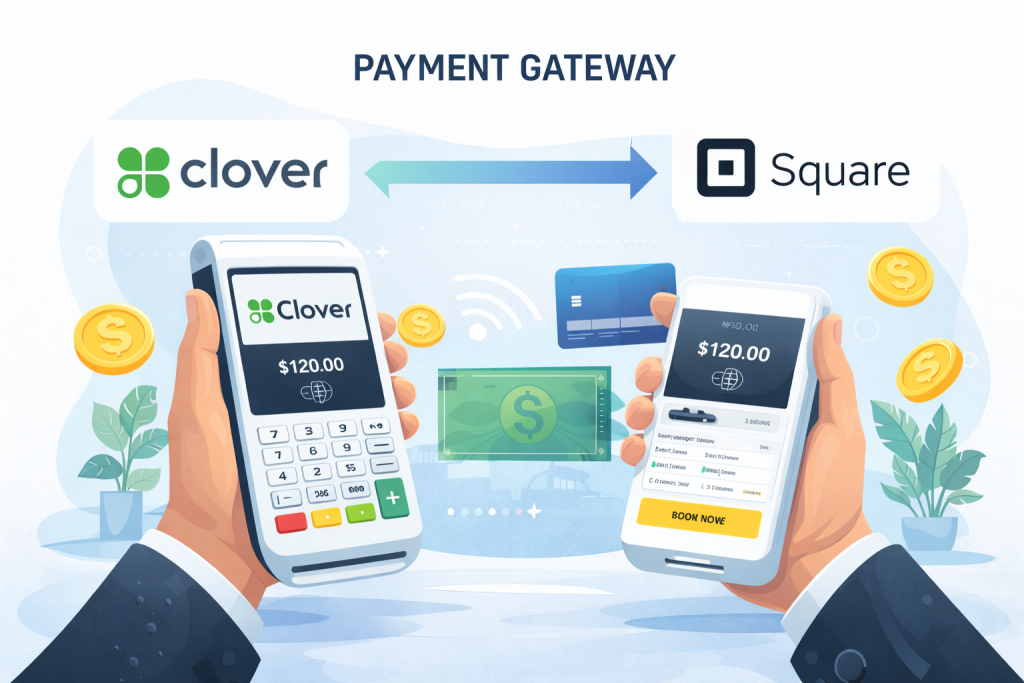
• Integrated payment processing — Clover, Square — with automated invoicing and no hidden fees
• Scalable from solo chauffeur to growing fleets with enterprise corporate account billing
• Active development, dedicated support team, and a long term partner approach to the limo industry
Book a free Limo Captain demo to see how the best limo software avoids every one of these mistakes in practice.
Frequently Asked Questions
What should I look for in the best limo software to avoid hidden fees?
Look for limo software that includes limo booking software, limousine dispatch, driver app, payment processing, and reservation management in one flat rate with no per-vehicle, per-user, or per-feature charges. Request a complete breakdown before signing. The best limo software grows with the business without additional fees every time a vehicle or driver is added.
How does limo booking software connect to the dispatch system?
Limo booking software connects to the dispatch system by sharing booking data in real time — so every booking appears in the dispatch queue immediately without manual transfer. Limo dispatch software manages ride requests and driver assignments in one platform, and the best limo booking software ensures booking, driver assignment, and customer communication all trigger automatically from the same data.
Why is the driver app so important when choosing limo software?
A weak driver app means drivers receive incomplete trip details, communication with dispatch relies on phone calls, and passengers receive poor real time updates. Integrated mobile apps for drivers enhance communication and dispatch efficiency — and the driver app should be tested on actual driver devices, not just evaluated from the admin side during a sales demonstration.
What limo dispatch software features prevent scheduling conflicts and missed bookings?
Limo dispatch software prevents scheduling conflicts through centralised scheduling that flags conflicts before assignment, automated driver availability tracking, and drag-and-drop trip assignment with real time fleet visibility. The dispatch system should integrate with the reservation system so every confirmed booking updates driver availability automatically — eliminating the manual gaps that cause scheduling errors and missed bookings.
How do I evaluate limo software as a long term partner for my limo business?
Evaluate limo software as a long term partner by checking the frequency of platform updates, the responsiveness of the support team, the depth of features beyond the demo, and the track record with limo businesses at your scale. The best limousine software improves continuously based on operator feedback. Ask how many limo companies use the platform and request references from operators at a similar fleet size.
Choose Right Once and Build on a Strong Foundation
These seven mistakes — hidden fees, disconnected dispatch, a weak driver app, poor mobile experience, inadequate payment processing, failure to plan for growth, and evaluating features rather than partners — are the most expensive decisions a limo business makes in the limo industry. Each is avoidable with the right evaluation framework and the right questions asked before signing.
The best limo software is the platform that integrates booking, dispatch, driver management, payments, and reporting in one powerful solution — and continues to improve as a long term partner. Choose right once and the platform becomes the foundation the limo business builds on for years.
Limo Captain is built to avoid every mistake on this list — delivering best limo software for the limo industry with no hidden fees, full integration, and a dedicated support team. Book a free demo today.
Editorial Note
This blog post was prepared by the Limo Captain Editorial Team in June 2026. Industry statistics referenced are sourced from publicly available research and are included for illustrative context. Limo Captain is the publisher of this content.